Japan consistently ranks among the most desired travel destinations for Canadians and Americans, yet many first-time visitors find the planning process overwhelming. Between bullet trains, cultural etiquette, cash versus credit cards, and deciding whether a rail pass is worthwhile, there is a lot to consider before departure.
Based on interactions with our customers, here are the Top 10 Questions our Canadian and American guests ask before visiting Japan. They are followed by our answers to help you prepare for a smoother and more rewarding journey.
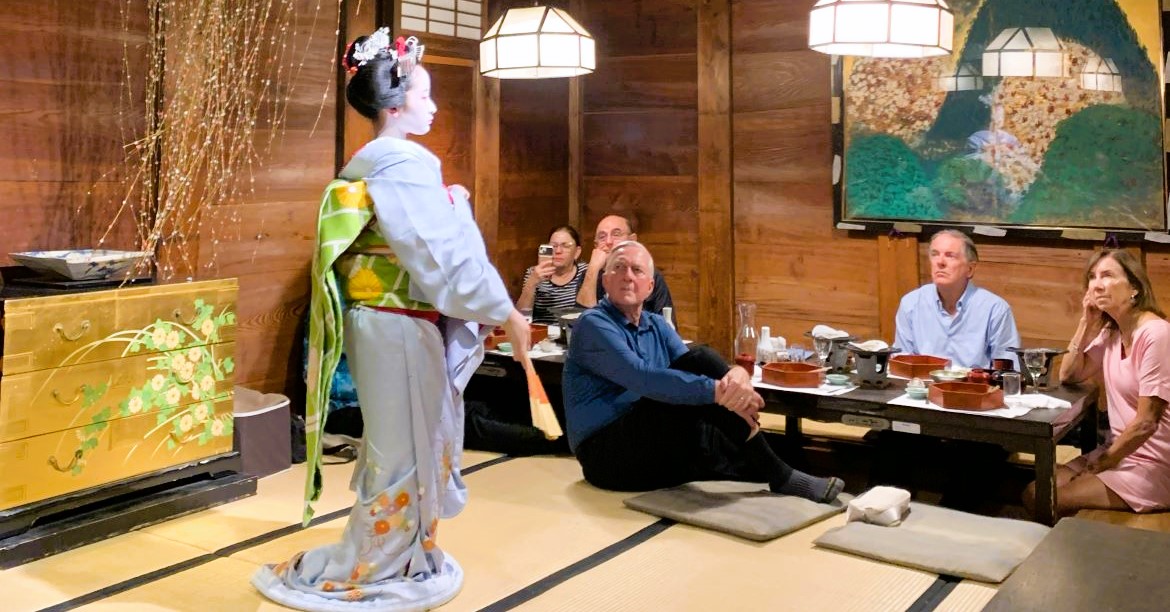
1. Do I Need a Visa?
Canadian and U.S. citizens visiting Japan for tourism can stay in the country for up to 90 days visa-free. However, travellers should always verify current entry requirements before departure and complete any recommended pre-arrival registration processes.
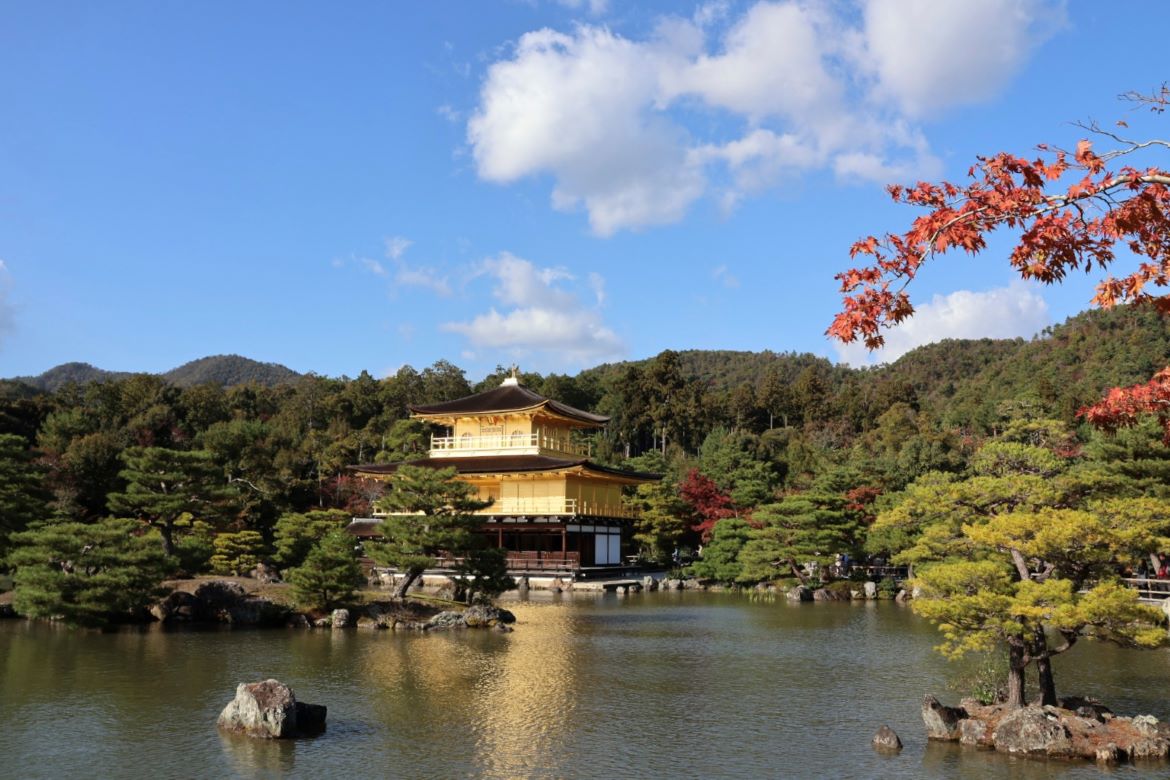
2. Is the Japan Rail Pass Worth It?
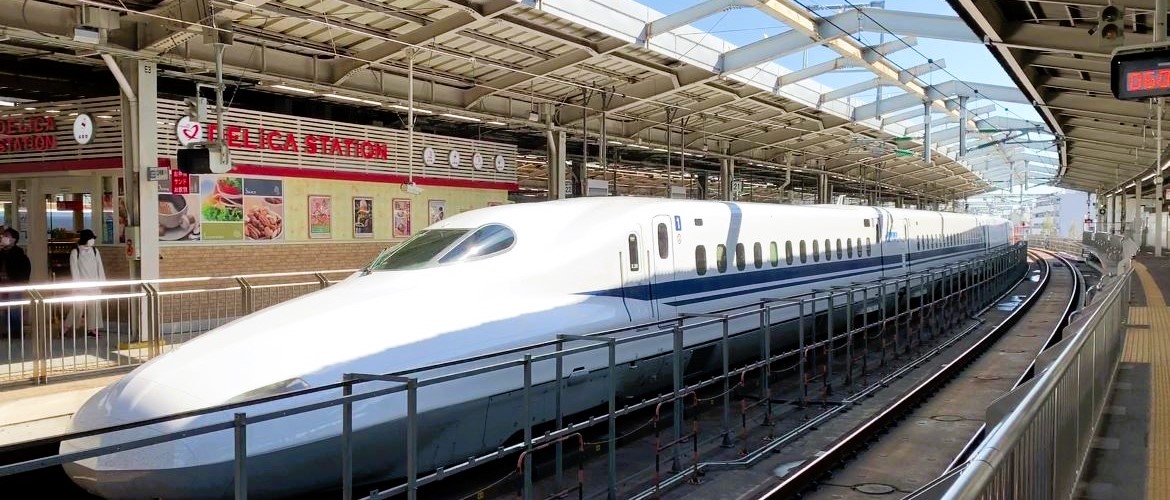
Not always. While the Japan Rail Pass remains a valuable option for travellers making multiple long-distance journeys, it is no longer the automatic money-saving choice it once was. The best approach is to map out your itinerary first and compare the cost of individual tickets against the pass. In fact, we advise against it if you want to explore Japan at a reasonable pace.
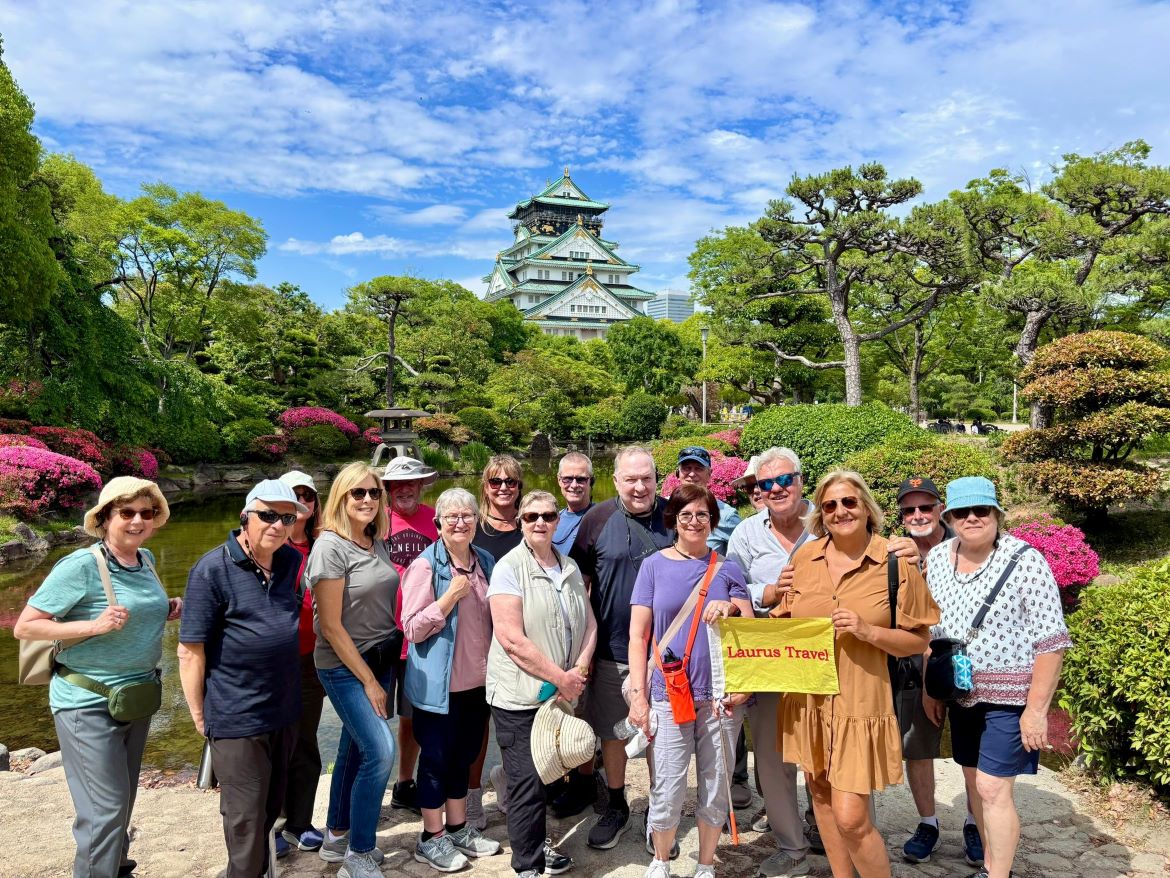
3. Should I Get a Suica or PASMO Card?
Yes. An IC transit card such as Suica or PASMO makes navigating Japan’s trains, subways, and buses remarkably easy. Many travellers also use these cards for purchases at convenience stores, vending machines, and restaurants. The way to do it is to download the app onto your phone and add money to it using a credit card. Just remember to deplete your account balance before returning home.
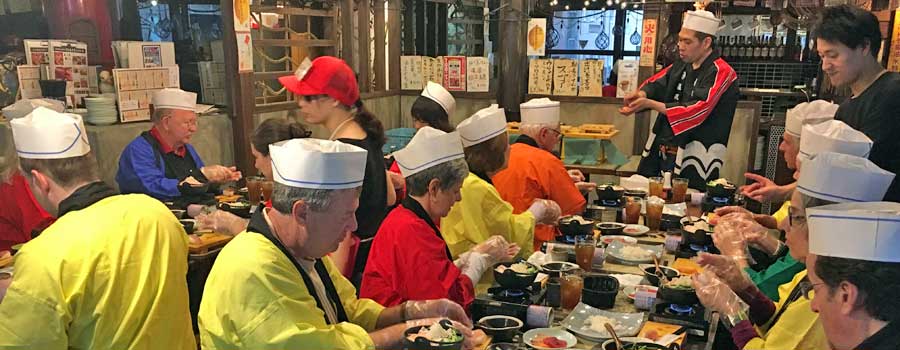
4. Is Japan Still a Cash Society?
Although credit card acceptance has improved significantly, cash remains important. Smaller restaurants, family-run shops, and rural businesses may still prefer cash payments. In some cities including Hiroshima, there are many taxi drivers who only accept cash for fare payment. Carrying some Japanese yen is a practical precaution.
5. How Much Cash Should I Bring?
Rather than carrying large amounts from home, many experienced travellers withdraw cash from ATMs in Japan as needed. Convenience stores such as Seven Eleven, post offices, and major banks typically offer reliable access to international banking networks. ATMs located inside 7-11 convenience stores are our favourites.
6. Will My Credit Cards Work?
Visa, Mastercard and American Express credit cards are widely accepted in hotels, department stores, and larger restaurants. Nevertheless, it is wise to have a backup payment method and some cash available. Merchants who decline credit cards often accept Suica for payment.
7. Should I Use an eSIM or Pocket Wi-Fi?
For most travellers, an eSIM offers the simplest and most convenient solution. Groups travelling together may find a pocket Wi-Fi device more economical. Either option will make navigation, translation, and transportation significantly easier. We maintain a list of e-SIM providers for the convenience of our customers visiting Japan.
8. Is Japan’s Train System Difficult to Use?
Japan’s rail network appears intimidating at first, but visitors are often surprised by how efficient and well organized it is. English signage is common in major cities, and navigation apps make route planning straightforward. Buying train tickets from vending machines can be daunting for non-resident foreigners, but ticketing offices inside major train stations all have English-speaking staff helping out overseas visitors.
9. What Cultural Etiquette Should I Know?
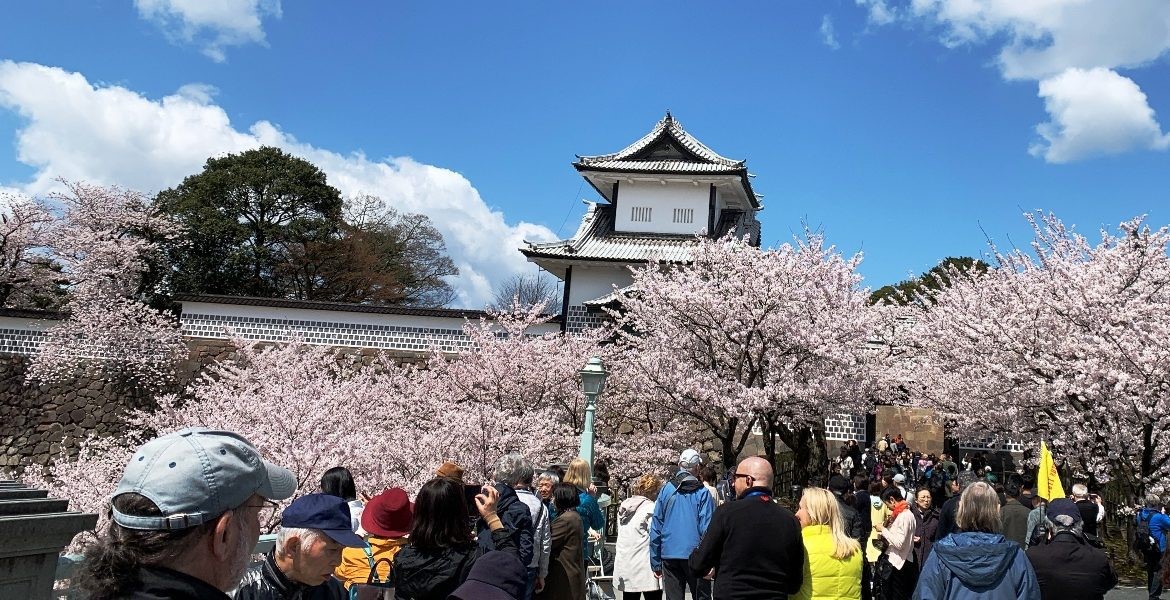
This may be the most important question of all. Japanese society places a strong emphasis on respect, consideration, and harmony. Speaking quietly on public transportation, lining up patiently, removing shoes when appropriate, and avoiding tipping are all customs visitors should understand before arriving.
10. Is Japan Safe?
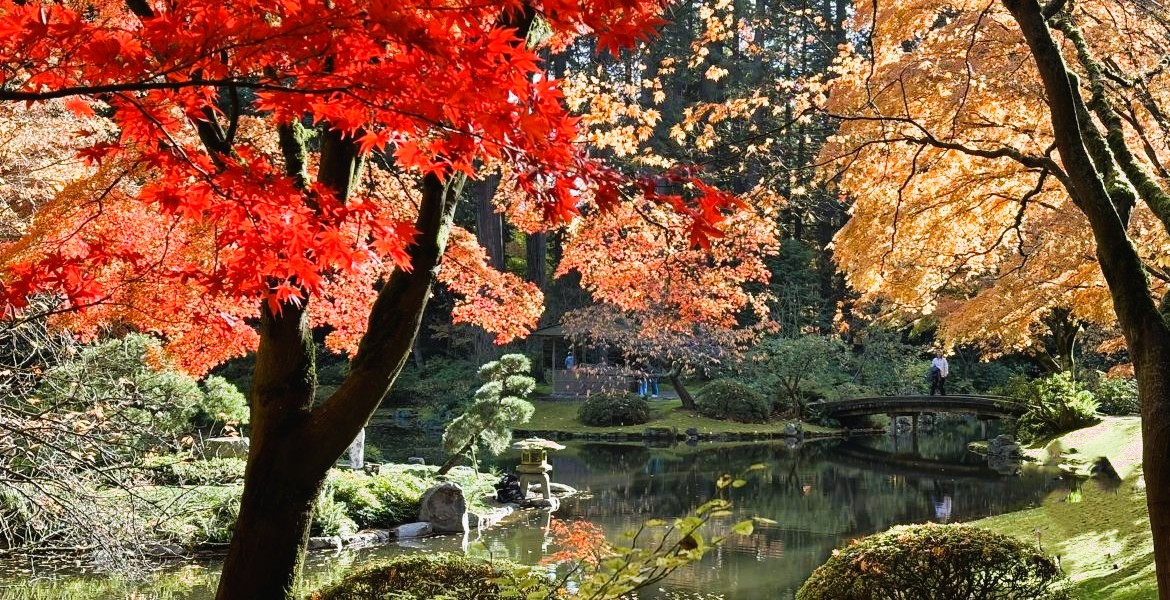
Japan is widely regarded as one of the safest countries in the world for travellers. Low crime rates and a strong sense of public order contribute to a comfortable travel experience for both solo travellers and groups.
The Real Secret to a Great Japan Trip
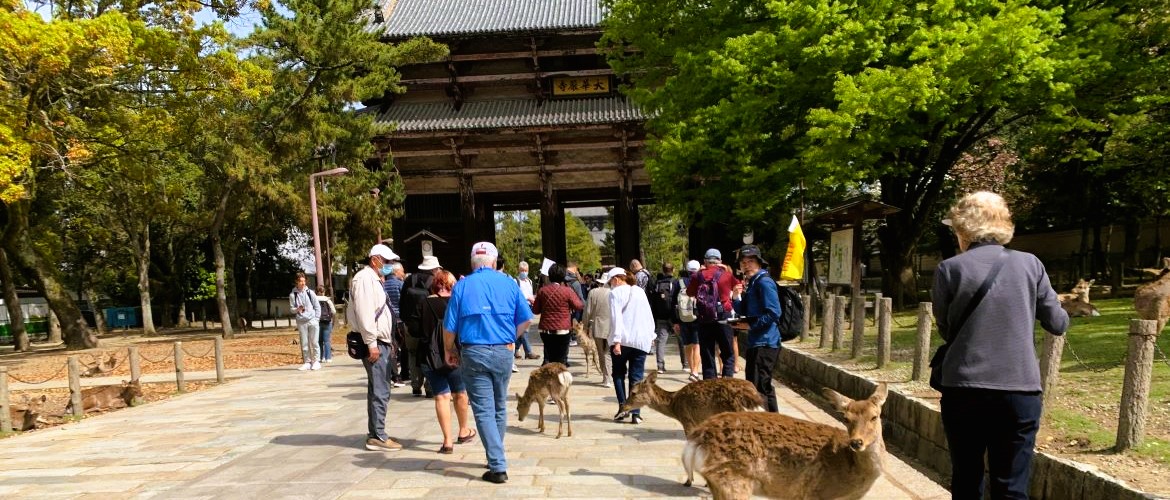
While logistics matter, experienced Japan travellers often discover that the most memorable experiences come from slowing down and embracing the culture. Rather than trying to check every famous attraction off a list, focus on meaningful experiences: a traditional inn, a local food market, a tea ceremony, a conversation with a guide, or a quiet walk through a historic neighborhood.
The most rewarding Japan journeys balance careful planning with curiosity and flexibility. When you approach the country with respect, patience, and a desire to learn, Japan has a remarkable way of exceeding expectations.