If you ask your Japanese guide why Japan has so few public trash bins, they will instantly point to the 1995 Tokyo subway sarin gas attack. While that tragic domestic terror event was the initial catalyst that prompted the government to pull bins from subway stations and major thoroughfares as a security measure, it doesn’t fully explain why they never came back.
The real reasons Japan continues to operate without public trash bins come down to a mix of bureaucratic strategy, strict local municipal policy, and deep cultural norms.
High Cost
Chief among the reasons is high cost managing public waste. In Japan, this financial burden skyrocketed when municipalities began implementing strict waste-sorting laws and charging residents for domestic garbage bags. To avoid paying for trash collection or having to sort their garbage at home, many people began using public trash cans to dump their regular household waste. Local governments and train operators quickly realized that by completely removing the bins, they could eliminate the massive labor and financial costs associated with collecting, sorting, and disposing of public garbage.
Japan’s Obsessively Strict Recycling System
Japan’s waste management system relies on meticulous sorting. Garbage isn’t just “trash”—it is split into categories like burnables, non-burnables, plastics, PET bottles, glass, and aluminum. Managing this level of compliance in a public setting is a logistical nightmare. If a single public bin gets cross-contaminated with the wrong type of waste, it compromises the entire batch. Rather than deploying teams of workers to sort through public trash by hand, cities decided it was more efficient to shift the responsibility back to the individual.
“Own Your Waste” Cultural Norms
There is a fundamental social expectation in Japan that your trash is your own responsibility. The dominant mindset is “Take it home” (gomi wa moochikaeru). This is reinforced by other lifestyle habits. For example, it is traditionally considered bad etiquette in Japan to eat or drink while walking (aruqi-gui). Because people generally consume their food and beverages exactly where they bought them (or wait until they get home), the need for public bins “in transit” is significantly reduced.
Pest Control (The Crow Factor)
Unlike many Western cities where rats are the primary concern, major Japanese cities like Tokyo battle massive, aggressive crows. If public trash bins are left unmonitored or overflowing, crows will meticulously tear open bags and scatter garbage across the streets. Eliminating public bins removes the food source and keeps the urban wildlife at bay.
Where Can You Find Trash Bins?
Because public bins are virtually non-existent, you have to look for specific “loopholes” if you need to throw something away:
Vending Machines
Almost always have a dedicated, small bin right next to them—but these are strictly for the empty cans and plastic bottles bought from that specific machine.
Convenience Stores (Konbini)
Places like 7-Eleven or Lawson usually have bins inside or just outside the doors, intended for customers who just ate their store-bought snacks.
Major Public Parks
Some heavily trafficked parks keep bins available to prevent mass littering during picnics or festivals.
New Initiatives on This Front to Accommodating International Tourists
Japan is currently experiencing a historic, unprecedented boom in tourism. The sheer volume of tourist arrivals has pushed infrastructure to its absolute limit. Rather than throwing their hands up, the Japanese government and local municipalities are rolling out aggressive, creative, and sometimes controversial measures to manage the crowds.
Concrete Measures in Accommodating Foreign Tourists in Trash Disposal
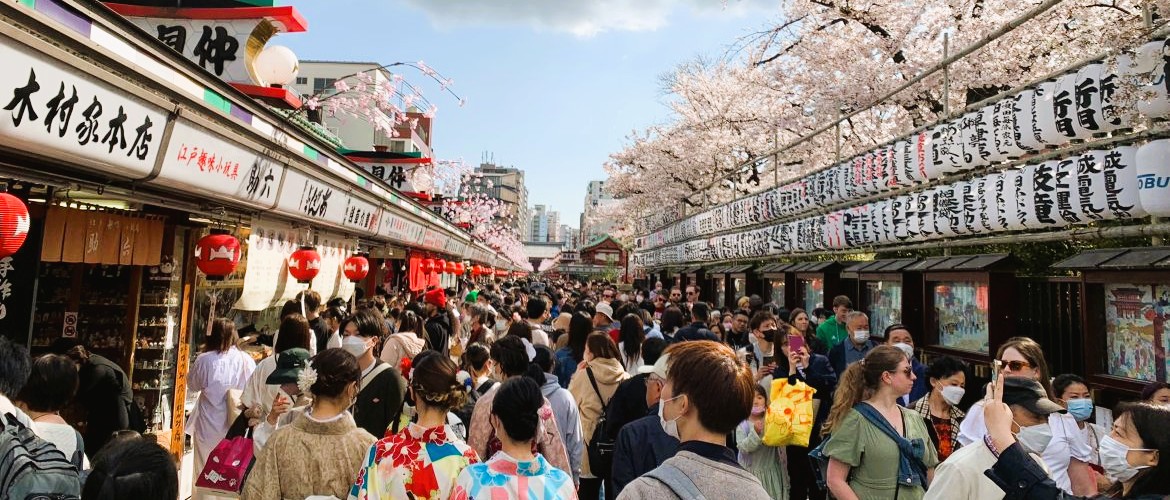
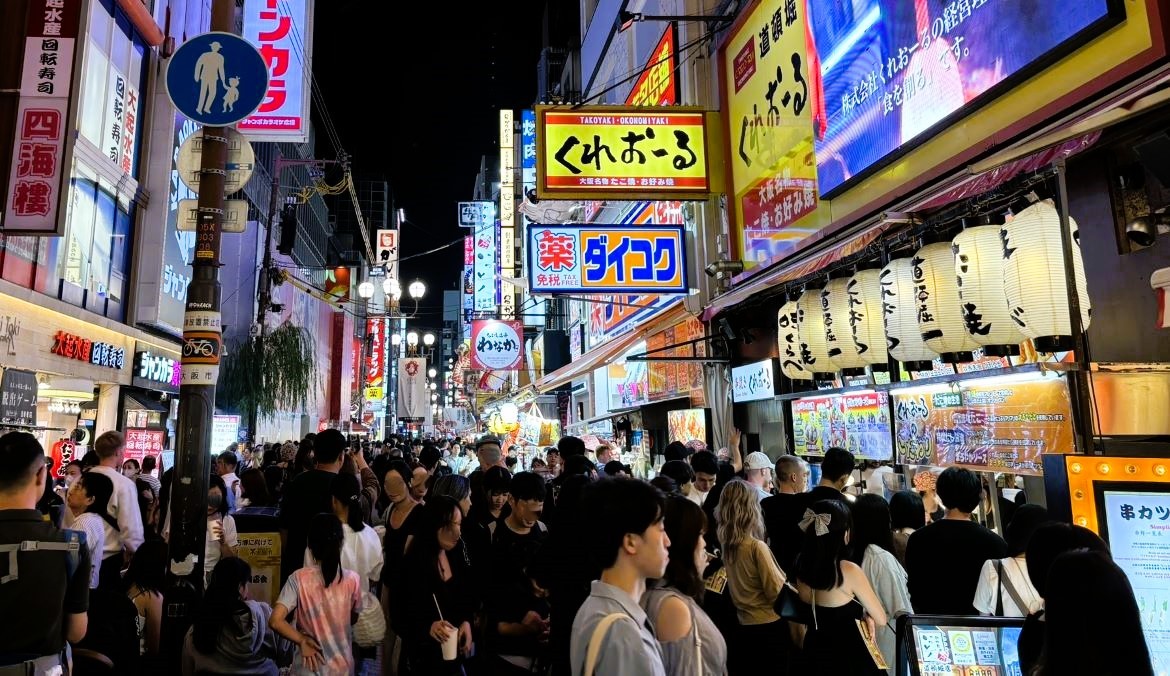
The tourist trash crisis has forced a massive policy pivot. Because visitors aren’t accustomed to carrying garbage in their pockets all day, littering has spiked in major entertainment districts. If you have been to Osaka’s Dotonbori shopping and entertainment district, you’ll understand exactly what we are talking about.
One measure recently adopted in Tokyo in tackling the tourist trash crisis is Shibuya Ward’s passing of a groundbreaking ordinance which requires takeout shops, cafes, fast-food chains, and convenience stores to install clearly visible trash cans for public use. Businesses that refuse face fines of up to ¥50,000, while individuals caught littering face instant fines.
In dealing with the trash disposal crisis while mindful of the cost increase in manual labour, Japanese cities experiencing surge of tourist arrivals are rapidly deploying SmaGO bins. These solar-powered, sensor-tracked smart bins automatically compress trash inside, allowing them to hold five times the volume of a standard bin, and alert city staff via an app only when they are completely full.

If you are planning a trip to Japan, be sure to check out our Japan tour packages.