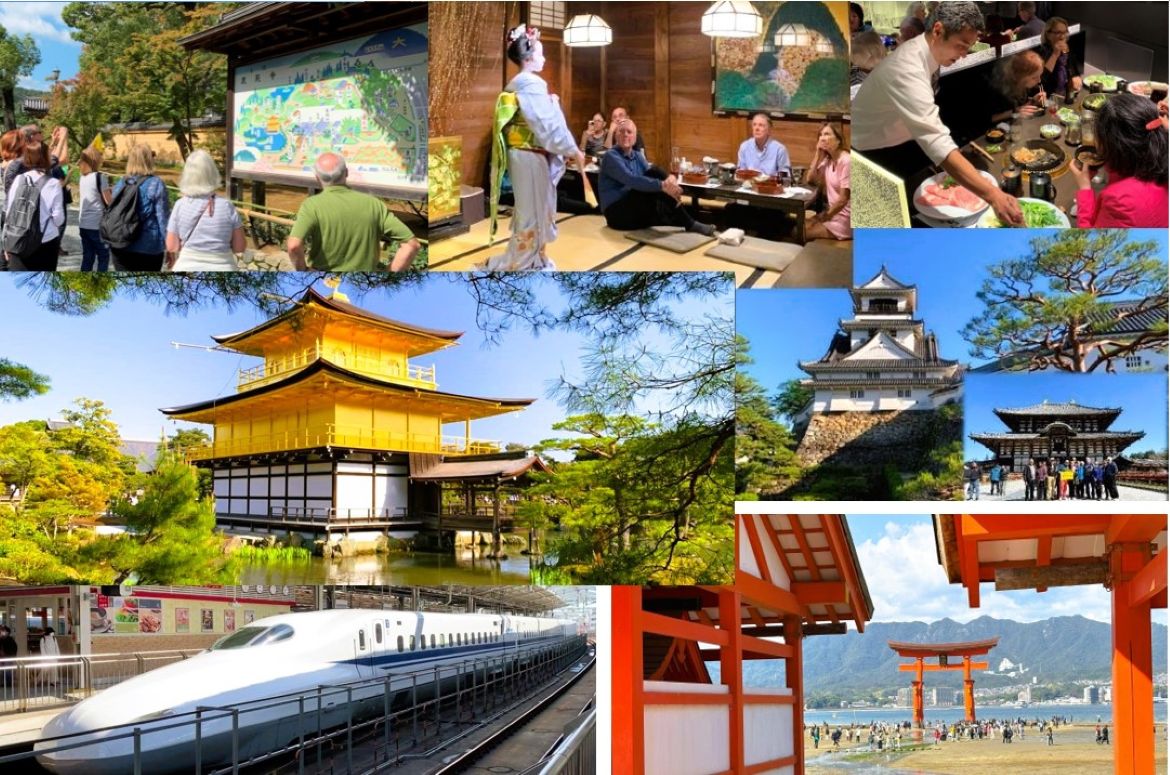
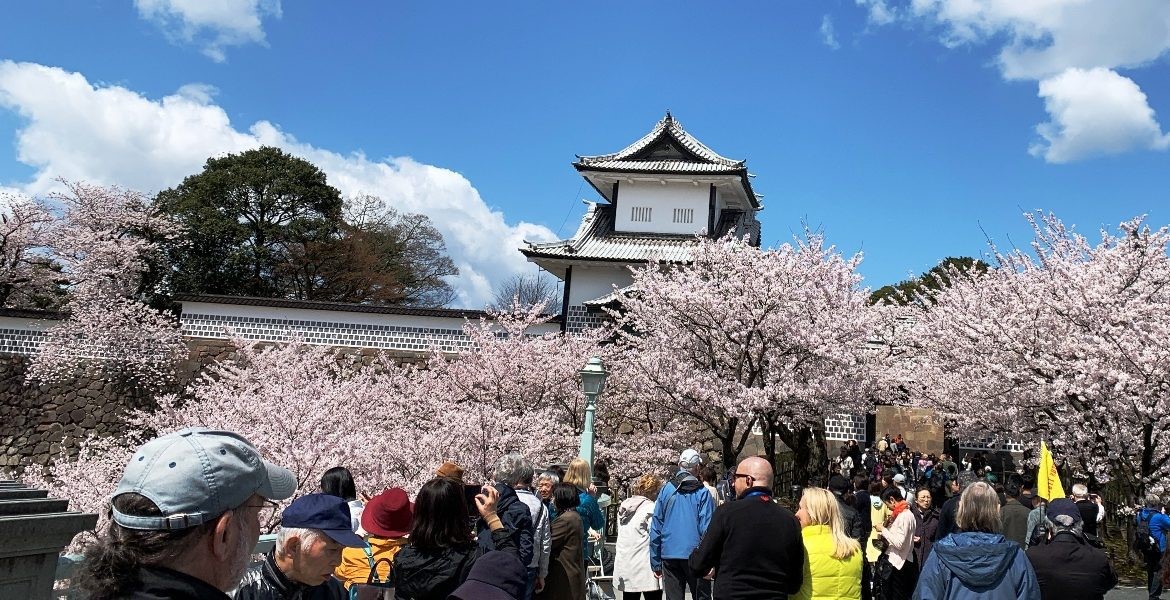
Trade your rake for ramen and your flannel for a kimono. Japan’s mild autumn weather is a welcome change from Canada’s early chill.
This autumn, Canadians can experience Japan at its most breathtaking—crimson maples, golden temples, and warm onsen baths under falling leaves.
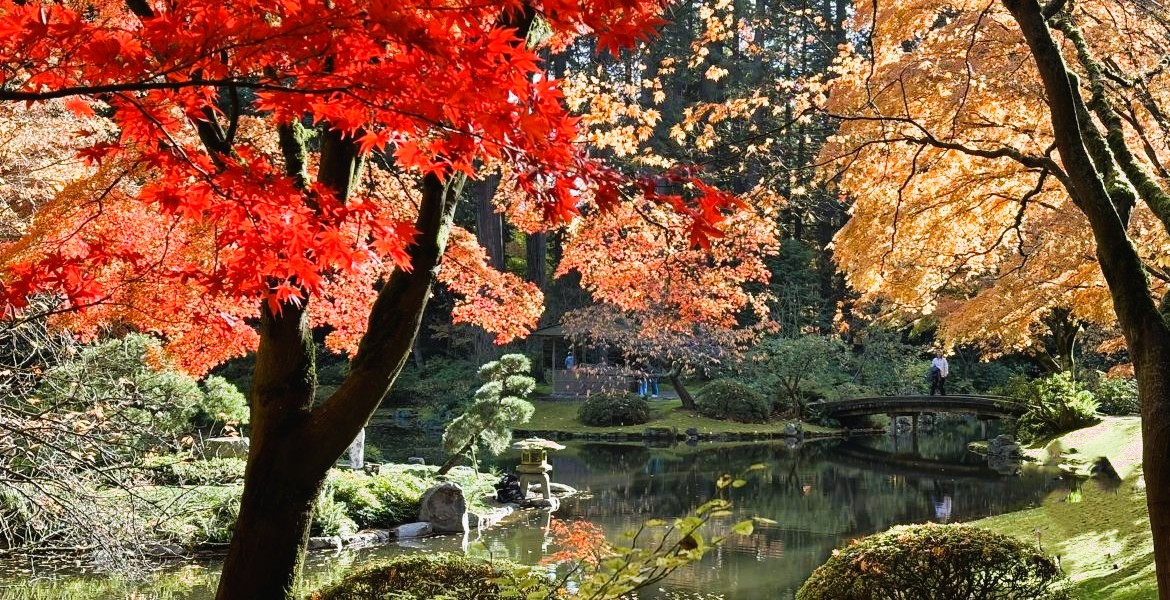
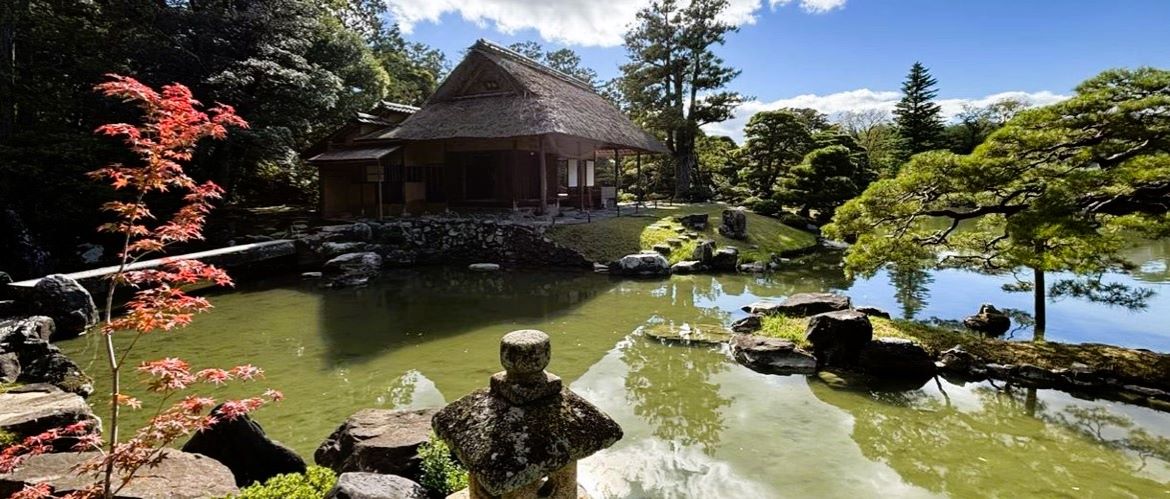
While Canada is famous for its vibrant autumn landscapes, Japan offers a fall experience like no other—where fiery maple leaves frame ancient temples, misty mountains, and serene Zen gardens. For Canadians seeking culture, comfort, and stunning natural beauty, a guided tour through Japan’s fall foliage hotspots is the perfect escape.
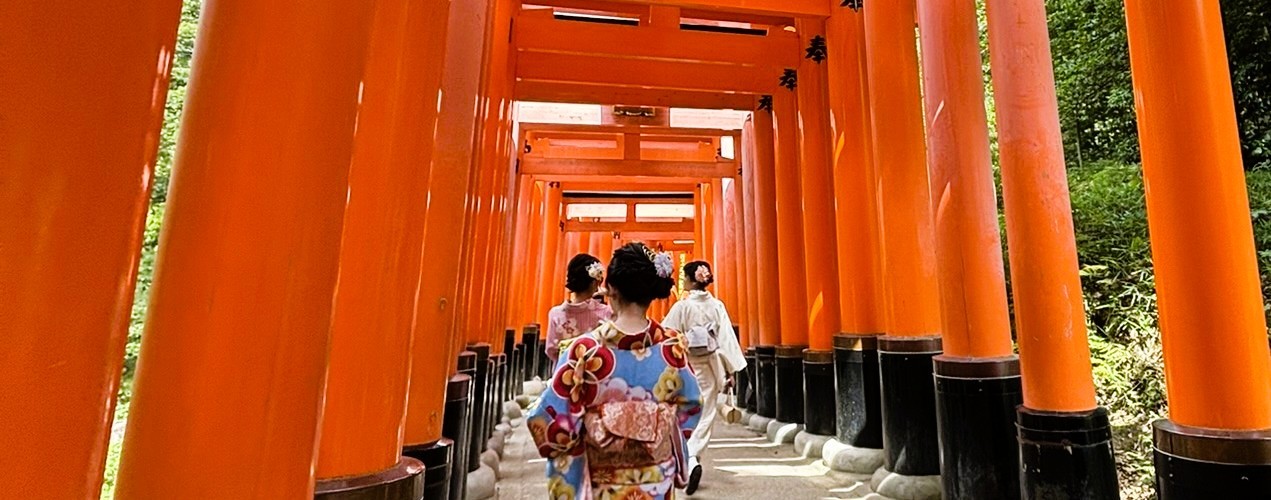
From mid-October to late November, regions like Kyoto, Nikko, and the Japanese Alps come alive with koyo (autumn leaves). Unlike Canada’s wild forests, Japan’s fall beauty is deeply tied to tradition—imagine strolling under crimson trees to the sound of temple bells, or soaking in an outdoor onsen as golden leaves drift past.
Our Japan fall colours tours make it easy for Canadians to explore without worrying about logistics. Whether it’s a scenic rail journey or an urban walking tour, you’ll enjoy stress-free travel, expert guides, and access to off-the-beaten-path spots.
So, skip the raking—this year, trade your leaf blower for a bowl of soba under a maple tree in Kyoto.
Japan Fall Colours Tours from Canada – Recommended Itinerary

| “Our 14-Day Best of Japan Land Tour was a trip we will always cherish. Learning about the people, culture, history, and visiting the parks, palaces, shrines and Mt. Fuji met or exceeded our expectations!” | Testimonials |
Tokyo – Mt. Fuji – Hakone – Kanazawa – Takayama – Shirakawa-go – Kyoto – Nara – Osaka – Hiroshima – Miyajima – Tokyo
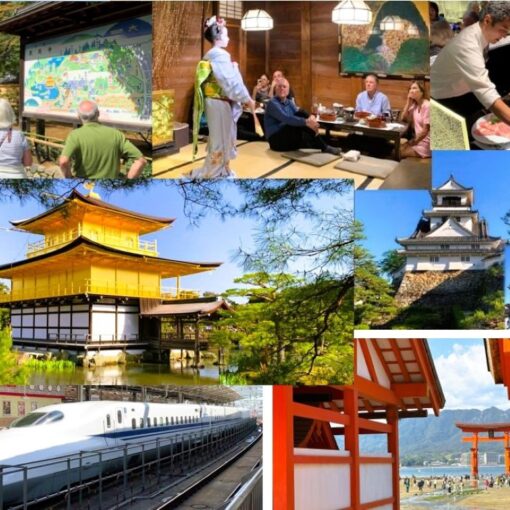
With a focus on history and culture, this premium small-group Japan tour showcases the best of the Land of the Rising Sun. From the present capital of Tokyo to the former imperial seat of Kyoto, Japan’s illustrious blend of ancient traditions with state-of-the-art modernity is on full display. Whether you’re gazing at the majestic Mt. Fuji, savouring fine Japanese cuisine, or discovering centuries-old architectural gems, every moment is designed to awe and inspire.
Important Features
- Small group size – average 16, maximum 20.
- Experienced guides carefully selected by company owners.
- Premium hotel accommodations.
- Quality Japanese & Western cuisines (no cheap tourist food).
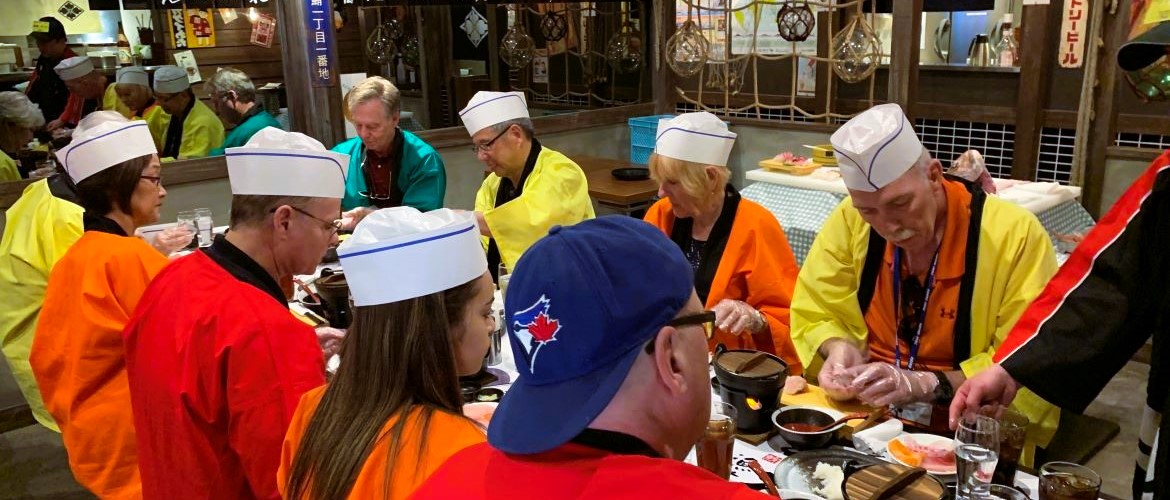
- Sushi making lesson.
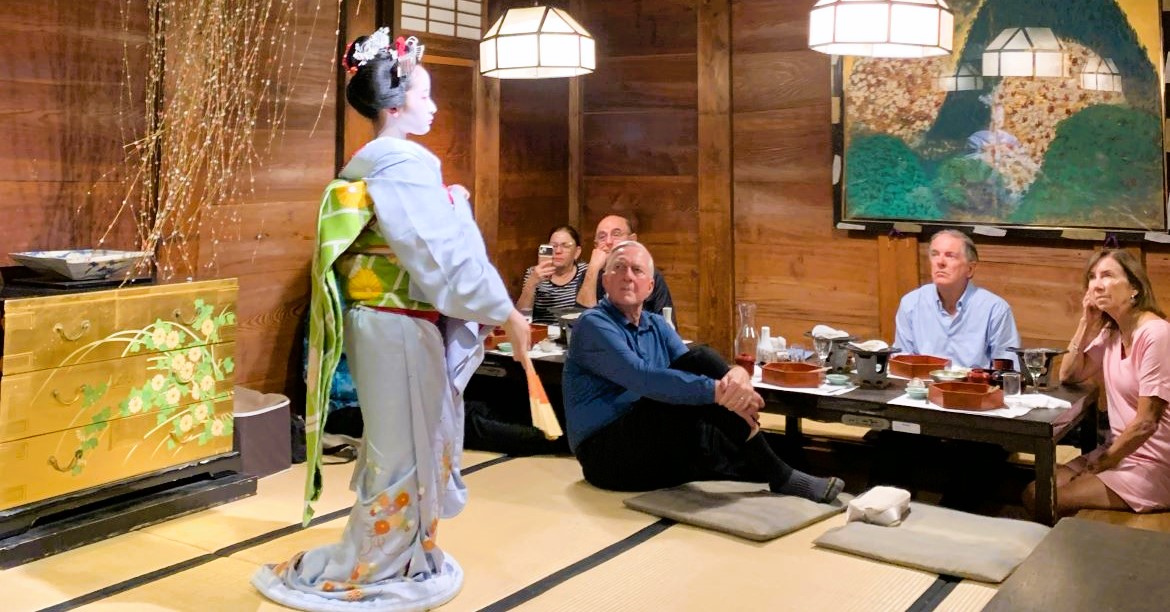
- Kaiseki dinner with geisha dancer (maiko) performance.
- Yakiniku (BBQ) dinner featuring premium Japanese beef.
- No shopping stops.
Meal Code: B = breakfast / L = lunch / D = dinner
Day 1/Mon: Departing Home City
The journey begins with your transpacific flight departing from a city of your choice. You’ll lose a day upon crossing the International Date Line.
Day 2/Tue: Arrival in Tokyo
Welcome to Tokyo!
Please make your way to the hotel on your own. Detailed up-to-date information on how to get to the hotel will be provided in the final update two weeks before departure. Private transfer can be arranged on request.
Day 3/Wed: Tokyo (B/L/D)
Tokyo, literally meaning “eastern capital” and officially named Tokyo Metropolis, is one of the most populous mega-cities in the world with a population of 14 million. Formerly known as Edo, the city has been the de facto seat of the Japanese government since 1603 when shogun Tokugawa Ieyasu chose the city for his headquarters. The shogun (general) was a hereditary commander ceremoniously appointed by the emperor but held real power over the country during the shogunate period between 1192 and 1867. Edo was renamed Tokyo after Emperor Meiji moved his seat from Kyoto in 1868 when the last shogun was forced to return power to the imperial court. The city covers an area of 2,187 square kilometres following the merger in 1943 of the city of Tokyo and Tokyo Prefecture.
Our full-day sightseeing begins at the plaza in front of the Imperial Palace. A stroll across the plaza accompanied by commentaries on the imperial family and the history of Tokyo gets the tour off to a good start.
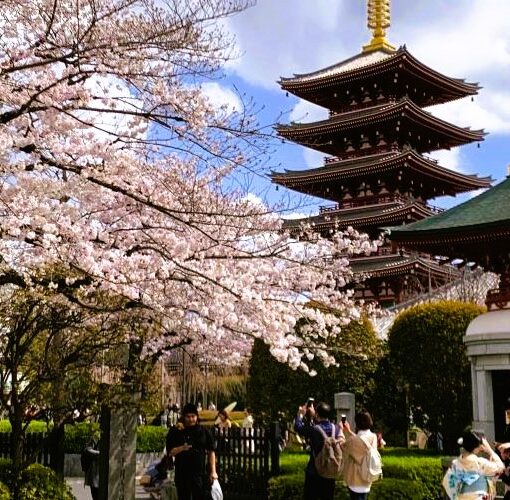
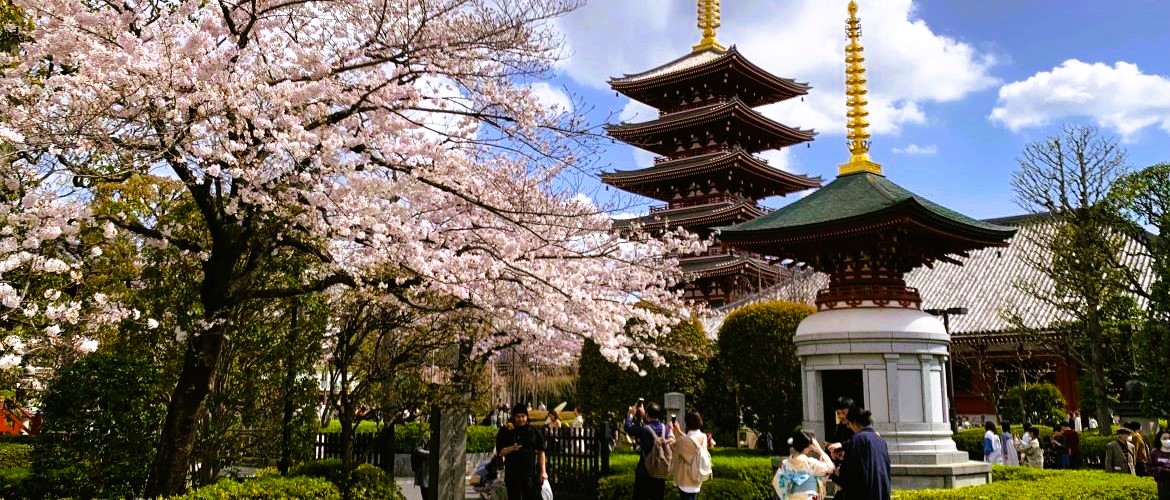
We then proceed to Senso-ji, the oldest Buddhist temple in Tokyo dating back to 628.
After lunch, we drive through the ritzy Ginza shopping district on the way to Meiji Jingu, a Shinto shrine dedicated to Emperor Meiji (1852 -1912) and his wife.